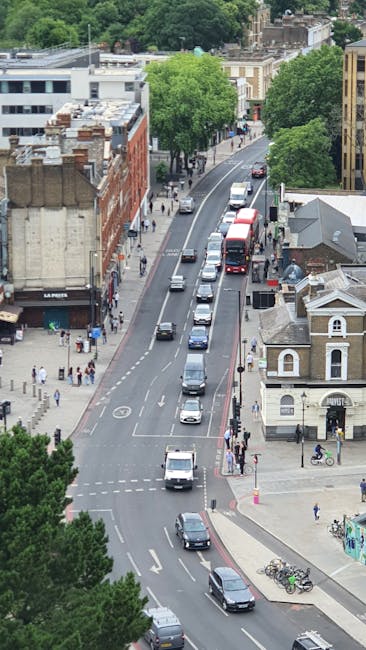
Removals near Finchley Road station Swiss Cottage: a practical local guide
If you are planning Removals near Finchley Road station Swiss Cottage, you already know this part of London can be a little tricky in all the usual ways: busy roads, narrow entrances, parking rules, and flats that seem to hide a staircase around every corner. That does not make moving impossible. It just means the move needs a bit more thought than a generic, one-size-fits-all approach.
This guide walks you through what local removals involve, how the process usually works, what to look for in a mover, and how to avoid the small mistakes that turn moving day into a headache. Whether you are leaving a studio, moving into a family flat, or shifting a small business nearby, the aim is simple: make the move feel organised, calm, and manageable. Easier said than done, sometimes. But very doable.
Quick note: if you need a wider overview of moving options, you can also explore removals, home moves, and man and van services as part of your planning.
Table of Contents
- Why Removals near Finchley Road station Swiss Cottage Matters
- How Removals near Finchley Road station Swiss Cottage Works
- Key Benefits and Practical Advantages
- Who This Is For and When It Makes Sense
- Step-by-Step Guidance
- Expert Tips for Better Results
- Common Mistakes to Avoid
- Tools, Resources and Recommendations
- Law, Compliance, Standards, or Best Practice
- Options, Methods, or Comparison Table
- Case Study or Real-World Example
- Practical Checklist
- Conclusion
- Frequently Asked Questions
Why Removals near Finchley Road station Swiss Cottage Matters
Local moving services matter here because Swiss Cottage is not the kind of area where you can just pull up, unload in ten minutes, and wander off for a coffee. The streets around Finchley Road station are busy, parking can be tight, and access can vary wildly from one building to the next. One property might have a lift and a friendly concierge. The next might have a steep stairwell, a tight turn, and a loading point that is only convenient in theory.
That is why a removal plan for this area needs to reflect the reality on the ground. A mover who understands local conditions can judge whether you need a small van, a larger vehicle, or a team that can handle heavier items and longer carrying distances. They can also help you think ahead about timing, access, and packing so the move does not stall halfway through the day.
In practical terms, the difference is huge. A well-planned move saves time, protects furniture, and reduces stress. A poorly planned one usually means repeated trips, awkward parking, and that moment when you realise the sofa will not fit through the hallway unless someone tilts it at a slightly alarming angle. Nobody needs that drama.
For people moving near a station area, there is also a simple human factor: congestion. Trains, buses, deliveries, school runs, and regular London life all pile into the same limited space. The right removal setup helps you work around that instead of fighting it.
How Removals near Finchley Road station Swiss Cottage Works
Most local removals follow the same broad pattern, but the details matter. A good removal company will normally start by understanding what needs moving, how much there is, and where everything is going. From there, they decide on the right vehicle, manpower, and packing support.
Here is the process in plain English:
- Initial enquiry or quote request. You explain the move, usually with an inventory or at least a rough list of furniture, boxes, and awkward items.
- Access check. This is where local knowledge helps. Stairs, lifts, loading bays, parking, and road access all influence the plan.
- Service selection. You may need a full house move, a lighter man with van option, or specialist help such as packing and unpacking services.
- Scheduling. The move is booked for a time that fits both your schedule and the practical realities of the area. Early starts often help. Late afternoon can be fine too, but traffic can be a nuisance.
- Packing and preparation. You either pack yourself or ask for professional support. Fragile items, electronics, and dismantled furniture should be labelled clearly.
- Loading, transport, and delivery. The removal team loads the items securely, transports them, then unloads at the destination in the agreed order.
- Placement and final checks. Furniture is positioned, boxes are placed in the correct rooms, and the team checks for anything that needs a final adjustment.
Some moves are simple. Others need a bit of choreography. The key is not to leave everything to the last moment. If you have ever packed a kitchen on moving day while searching for the kettle, you already know what I mean.
For larger or more complex jobs, it can help to look at dedicated removal services or a full removal company rather than trying to improvise with a one-person solution.
Key Benefits and Practical Advantages
Choosing the right local removals option is not just about convenience. It can make the whole move materially better in several ways.
- Less stress on moving day. When timing, access, and transport are planned properly, you are not reacting to problems every ten minutes.
- Better protection for your belongings. Professional handling reduces the chance of scratches, dents, and those awkward corner knocks on walls.
- Faster completion. A well-matched vehicle and the right number of movers can save a surprising amount of time.
- Local route awareness. Someone who knows the area understands where delays commonly happen and how to work around them.
- More suitable for London properties. Flats, terraces, managed buildings, and tight access routes all benefit from a practical plan.
- Less physical strain. Heavy lifting is not glamorous. It is also how backs get grumpy. Better to let trained movers handle it.
There is also a subtle advantage people forget: confidence. Once you know the move has a structure, you stop second-guessing every box and every decision. That calm matters more than people think.
Expert summary: For local moves around Finchley Road station and Swiss Cottage, the best results usually come from planning access first, then vehicle size, then packing. If you get that order right, the rest becomes much easier.
Who This Is For and When It Makes Sense
This kind of removal service suits a surprisingly wide range of people. It is not only for big house moves with endless furniture and a mountain of boxes.
You may benefit from removals near Finchley Road station Swiss Cottage if you are:
- moving into or out of a flat with limited access
- downsizing and need a careful, efficient transfer
- relocating a couple of rooms rather than an entire house
- moving student belongings or short-term rental contents
- shifting office furniture or stock locally
- needing help with heavy, awkward, or fragile items
It can also make sense if your move is not very large but still awkward. A small one-bedroom flat can be more difficult than a bigger house if the stairs are narrow and the parking is awkward. Annoying, but true.
If you are comparing options, take a look at removal companies, movers, and house movers to judge what level of support fits your situation best.
Step-by-Step Guidance
If you want a move that feels under control, follow a simple sequence. Not perfect. Just sensible.
1. Make a realistic list of what is moving
Start with the obvious items: beds, sofas, wardrobes, white goods, boxes, bikes, and anything fragile or unusually shaped. Add the things people always forget, like lamps, mirrors, plants, and under-bed storage. You will thank yourself later.
2. Check access at both addresses
Look at stair widths, lift availability, entry codes, parking restrictions, and whether the vehicle can stop close enough to the door. A move near the station can be straightforward in the morning and a nightmare by late afternoon if traffic builds up.
3. Decide how much help you actually need
Some people only need a vehicle and a strong pair of hands. Others need packing, loading, transport, unloading, and furniture placement. Be honest here. Half-measures can cost more in the end if you end up hiring extra help at the last minute.
4. Pack in a way that helps the movers
Use sturdy boxes, label them by room, and keep heavy items in small boxes rather than oversized ones. A box of books should not feel like it belongs in a gym programme. For fragile goods, wrap carefully and mark them clearly.
5. Protect floors, corners, and furniture
Good movers usually bring blankets, straps, dollies, and basic protection materials. Still, if you have valuable or delicate items, say so early. A good company will want to know where the risk points are.
6. Confirm timing and contact details
It sounds obvious, but day-of-move confusion often starts with simple communication gaps. Check arrival time, access notes, phone numbers, and any building rules that need to be followed.
7. Do a final walk-through
Before the van leaves, check wardrobes, cupboards, loft storage, sheds, and behind doors. More than one move has been delayed by a charger left in a drawer or a packet of keys hidden on top of the boiler. Tiny things, maddening things.
Expert Tips for Better Results
These are the little things that make local removals go more smoothly. The sort of advice that is easy to ignore until you wish you had not.
- Book the right vehicle size. Too small means extra trips. Too large can be awkward on tight streets. The sweet spot matters.
- Keep essentials separate. Water, chargers, documents, medication, a kettle, and a change of clothes should not disappear into the back of the van.
- Label by room and priority. A simple system like "Kitchen - first unload" or "Bedroom - open first" saves time later.
- Disassemble only what you need to. Over-disassembling furniture can make reassembly more difficult. Use judgement.
- Plan for weather. London rain has a habit of arriving at the exact wrong moment. Have covers and dry access ready.
- Use clear instructions. If a sofa has to go upstairs before the bed arrives, say so before the van is unloaded.
One small but very practical point: if you live in a managed building, tell the movers about access codes, concierge arrangements, lift booking rules, and any time windows. That single step can prevent a lot of faffing about at the entrance.
And yes, moving day can be a bit chaotic. But a calm instruction list and a kettle somewhere nearby go a long way.
Common Mistakes to Avoid
Let's face it, most moving problems are predictable. That is actually good news, because predictable problems can be avoided.
- Underestimating how long packing takes. It almost always takes longer than expected, especially for kitchens and wardrobes.
- Not checking parking or access. A van that cannot park close enough creates avoidable delays and extra labour.
- Choosing solely on price. Cheap can be fine, but only if the service still matches the job. A very low quote with poor planning often ends up costly in practice.
- Poor labelling. If every box looks the same, unpacking becomes a treasure hunt. Not the fun kind.
- Leaving packing until moving day. This is the classic error. Brave, but unwise.
- Forgetting building rules. Some properties have specific moving windows or lift booking requirements. Ignoring them can create friction quickly.
- Not declaring fragile or bulky items. The team can only plan properly if they know what is coming.
A common local issue is assuming the street outside a station-area property will be easy to use for loading. Sometimes it is. Sometimes it is not. Best to check, not guess.
Tools, Resources and Recommendations
You do not need fancy kit to prepare for a move, but a few simple tools make the job much easier.
| Item | Why it helps | Best used for |
|---|---|---|
| Strong boxes | Reduce breakage and keep loads stackable | Books, kitchenware, mixed household items |
| Bubble wrap or paper | Protects fragile surfaces and glass | Mirrors, frames, crockery, ornaments |
| Labels and marker pens | Makes unpacking far less stressful | Room-by-room sorting |
| Furniture blankets | Helps prevent scratches and scuffs | Tables, wardrobes, sofas |
| Straps and trolleys | Improve safety and handling | Heavy or awkward items |
As for service choices, it helps to compare not just the headline offer but the actual support included. For example, a basic man and van removals service may suit a lighter load, while a full house removals setup is often better for larger family moves or properties with many rooms.
If the move includes office equipment, document storage, or furniture that must be handled in a particular sequence, then office removals or broader commercial moves services may be more appropriate.
And if you are still at the planning stage, a quick review of pricing and quotes can help you understand what affects the final cost without turning the process into a guessing game.
Law, Compliance, Standards, or Best Practice
For local removals in London, the main compliance concerns are usually practical rather than dramatic: safe lifting, sensible vehicle use, careful handling, and following any building or parking requirements that apply at the property. The exact rules can vary depending on the location and building, so it is wise to confirm the details before moving day.
Professional movers should also take safety seriously. That means using appropriate equipment, working carefully with heavy items, and reducing risk to people and property. If a company mentions its health and safety policy or insurance and safety approach, that is usually a good sign. It shows they are thinking beyond the van and the boxes.
You should also expect clear terms around deposits, payment, cancellation, and service scope. Reading terms and conditions before you book is not the most exciting part of the day, admittedly, but it is one of the simplest ways to avoid misunderstandings later.
If recycling or disposal is part of the job, ask how unwanted items are handled. Responsible movers often have a process for sorting reusable goods and managing waste more carefully. That matters, especially in a city where space and sustainability both matter.
If you have concerns about payments, look for clear guidance in the company's payment and security information. And if anything goes wrong, it helps to know whether a complaints process exists and how it works. Reputable firms usually make that clear rather than hiding it.
For broader trust signals, pages such as about us can be useful too, because they help you understand who you are dealing with and how the business presents itself. Not glamorous, but useful.
Options, Methods, or Comparison Table
Different moves need different approaches. Here is a straightforward comparison to help you think through the options.
| Option | Best for | Pros | Watch out for |
|---|---|---|---|
| Man and van | Small or medium loads, quick local moves | Flexible, practical, often efficient for short distances | May be less suitable for large homes or many heavy items |
| Full house removals | Larger homes, family moves, more furniture | More support, better for complex loading and transport | Needs more planning and usually more time |
| Commercial/office move | Desks, files, stock, or business equipment | Better coordination for business continuity | Requires clear scheduling and careful handling of equipment |
| Packing support | Busy households, fragile items, time-poor movers | Saves time, improves protection, reduces stress | Needs to be arranged in advance |
Truth be told, the best option is usually the one that matches your actual property and your actual schedule, not the one that sounds simplest on paper. A small move with difficult access can deserve more support than a big move with easy loading.
Case Study or Real-World Example
Here is a realistic local scenario. A couple moving from a third-floor flat near Finchley Road station to another property in Swiss Cottage needs to move a bed, a sofa, a dining table, several boxes, and a few fragile items. The first property has narrow stairs and no lift. The second has better access, but only for a limited loading window.
At first glance, this sounds like a simple job. But once you factor in stairs, parking, and timing, it becomes more sensitive. A sensible approach would be to:
- book a vehicle size that allows everything to fit in one run where possible
- pre-pack fragile items separately and label them clearly
- disassemble the bed in advance
- reserve enough time for stair carries and loading
- confirm building access rules at both ends
In a case like this, the move is less about brute force and more about sequencing. First the awkward pieces, then the boxes, then the final check. It sounds basic, but honestly, basic is what keeps the day from spiralling.
If the couple also needed help with collection of unwanted furniture, they might look at furniture pick up support as part of the process, especially if they wanted to reduce clutter before the move.
One small detail that often helps: a designated "open first" box with kettle, mugs, chargers, toilet paper, and basic tools. Nothing fancy. Just the things that save your sanity at 8:30 in the evening when the Wi-Fi still has not connected properly.
Practical Checklist
Use this checklist to keep things moving without overthinking every step.
- Confirm moving date, time, and access arrangements
- Check parking or loading restrictions at both addresses
- Decide whether you need packing help, a van-only service, or a fuller team
- Sort fragile items, valuables, and essentials separately
- Label boxes by room and priority
- Disassemble furniture only where needed
- Protect floors and vulnerable surfaces if required
- Keep documents, keys, medication, and chargers close to hand
- Notify building managers or concierges if necessary
- Do a full final walk-through before departure
If you are moving on a tight schedule, start this list earlier than feels necessary. That little bit of extra time makes a real difference. It just does.
Get a free quote today and see how much you can save.
Conclusion
Removals near Finchley Road station Swiss Cottage are all about smart planning, local awareness, and choosing a mover that understands the practical realities of the area. Once you account for access, timing, parking, and the amount of help you really need, the job becomes much more straightforward.
Whether you are moving a small flat, a full household, or a local business setup, the best results usually come from simple steps done well: clear communication, careful packing, and a removal plan that matches the street, the building, and the workload. Nothing magical. Just proper preparation.
And when the last box is inside, the kettle is on, and the hard part is finally behind you, it does feel good. A bit exhausting, yes. But good.
Frequently Asked Questions
What is included in removals near Finchley Road station Swiss Cottage?
It usually includes loading, transport, and unloading, with optional extras such as packing, furniture dismantling, and help with heavier items. The exact service depends on the provider and the size of your move.
Is a man and van service enough for a local move?
Sometimes, yes. If you have a smaller load, a short distance, and straightforward access, a man and van option can be a sensible choice. For larger homes or awkward access, you may need a fuller removals team.
How far in advance should I book a removal service?
As early as you can, especially if your move is near a busy station area or on a weekend. Early booking gives you more choice over time slots and makes planning much less rushed.
Do movers help with packing and unpacking?
Many do, but not all. If you want this support, check in advance and ask exactly what is included. Packing assistance can save a lot of time if you have fragile items or a busy schedule.
How do I know what van size I need?
The best way is to list the major items and note any bulky furniture. A mover can then advise on the right vehicle. If in doubt, explain the access at both addresses too, because the street layout matters as much as the volume.
What should I do if my building has limited access?
Tell the removal team early. Share stair, lift, and parking details, plus any entry rules or loading windows. Limited access is common in London, so a good mover should know how to plan around it.
Can removals include office or commercial items?
Yes, if the provider offers commercial moves or office relocation support. That is usually the better choice when the load includes desks, filing, stock, or equipment that needs more careful coordination.
What if I only need to move a few items?
Then a lighter service may be more suitable, such as a man with van arrangement or a furniture pick-up. Smaller moves can still benefit from professional help, especially if the items are heavy or awkward.
How can I keep my items safe during the move?
Use strong boxes, proper wrapping for fragile items, and clear labels. Also make sure the removals team knows what is delicate. Good handling starts with good information.
Are parking problems a big issue near Finchley Road station?
They can be, depending on the time of day and the exact property. Parking and loading should be checked before moving day so the van can get as close as practical without delays.
What should I look for in a removal company?
Look for clear pricing, sensible communication, a straightforward booking process, and visible safety and insurance information. It also helps if the company explains its terms clearly and responds properly to questions.
How do I make moving day less stressful?
Pack early, label everything, prepare an essentials box, and keep access details ready. Most moving stress comes from missing information or last-minute packing, so a little preparation goes a long way.